Mobile car key replacement: what actually happens when you call
Losing a car key or having one stop working can bring an already busy day to a halt. You stand in a parking lot or your driveway, holding a fob that does nothing, and the first thought is often about cost and delay. What you really need is a clear picture of the process: what a mobile locksmith does, how the new key gets programmed, and why a transponder chip is the part that matters most.
The days of cutting a plain metal key and driving away are gone. Most cars built after the mid-1990s use a transponder key. Inside the plastic head of the key sits a small chip that communicates with the car's immobilizer system. When you insert the key or bring a fob near the start button, the car sends a radio signal. The chip sends back a code. If the code matches, the immobilizer allows the engine to start. If it does not, the car stays locked. That is why a simple metal copy will turn the lock but not start the engine. The chip is the gatekeeper.
When a mobile locksmith arrives, the first step is to confirm that you are the owner of the vehicle. This is standard practice and protects everyone. They will ask for the vehicle registration and your identification. Some may also check the vehicle identification number on the dashboard or door sticker. Once the ownership is verified, the real work begins.
The locksmith will assess the situation. Sometimes the key is lost entirely. Other times the key is broken, the fob has stopped working, or the transponder chip has failed. Each case calls for a different approach. A lost key means cutting a new key blade from scratch and programming a new transponder chip. A broken key often means extracting the broken piece from the ignition cylinder before cutting a new key. A dead fob may just need a new battery or a remote programming reset.
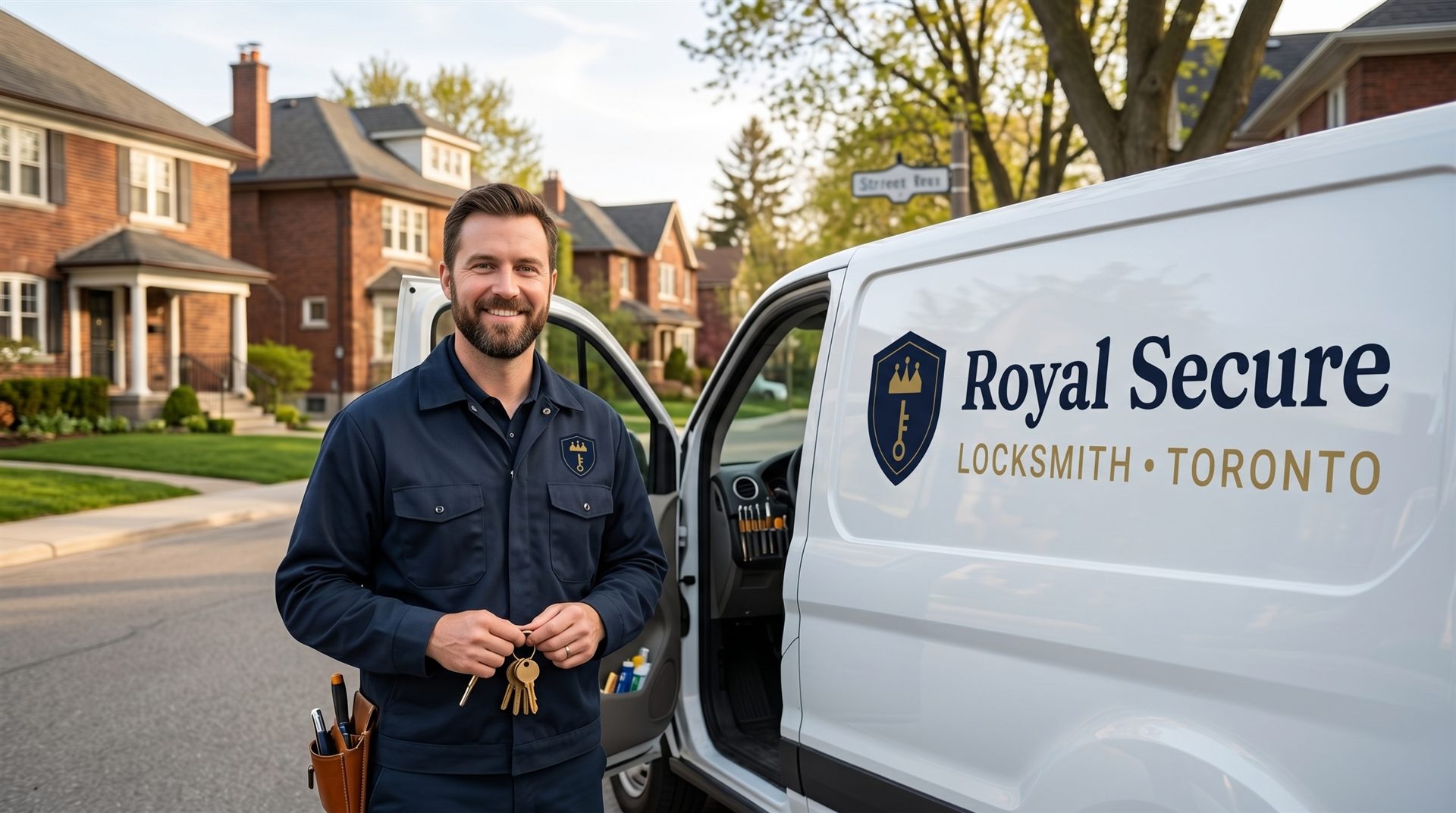
For most modern cars, the locksmith uses a diagnostic tool that connects to the vehicle's onboard computer. This tool reads the immobilizer system and allows the locksmith to program a new transponder chip to match the car's code. The process varies by make and model. Some cars require two working keys to program a third. Others allow a locksmith to bypass that requirement using specialized software. In many cases the locksmith can generate a code from the vehicle identification number and program a key without needing an original.
If you still have a working key, the job is faster. The locksmith can clone the transponder chip signal to a new key. Cloning copies the code from the existing chip to the new one. It is a straightforward procedure that usually takes less than thirty minutes. If no working key exists, the process takes longer because the locksmith must access the car's system and create a new code from scratch. This can involve removing panels to reach the immobilizer module or using a direct connection to the OBD-II port.
Push-start cars add another layer. With a keyless ignition, there is no physical key to turn. The fob communicates with the car through radio frequency. If the fob battery dies or the fob itself fails, you may still be able to start the car by holding the fob against the start button or a designated spot in the console. The locksmith can program a new fob and synchronize it with the car's system. This is a type of remote programming that links the fob's signal to the receiver in the car.
For many drivers, the biggest concern is time. A mobile locksmith brings the equipment to your location, so you do not have to tow the car to a dealership. That is where mobile help for car keys becomes the practical solution. Instead of waiting for a tow truck and then sitting in a service bay, you can have a new key made in your driveway or parking lot. The locksmith's van holds a key-cutting machine, a laptop with programming software, and a stock of transponder chips and fobs for common makes.
The key blade itself is cut first. The locksmith reads the key code from the lock or uses the vehicle identification number to determine the correct bitting. A precision cutter shapes the blank to match the original. Then the transponder chip is programmed. Some locksmiths program the chip separately, while others do it through the car's diagnostic port. After programming, the locksmith tests the key in the door and the ignition. They also check that the remote functions, such as locking and unlocking, work properly.
One common question is whether a locksmith can program a key for a car that has a damaged ignition cylinder. If the cylinder is worn or has been tampered with, the new key may not turn smoothly. In that case the locksmith may recommend repairing or replacing the cylinder. This is a separate job that can also be done on-site. The same applies if the car uses a fob with a hidden emergency key blade. That blade can be cut and programmed, but if the fob body is damaged, a new fob shell may be needed.
Another scenario is when the immobilizer system itself has a fault. A locksmith can diagnose whether the issue is with the key, the fob, the receiver module, or the wiring. If the immobilizer is malfunctioning, the key may be fine but the car will not start. In that case the fix involves repairing the car's electronics, not replacing the key. A good locksmith will explain what they found and what the next steps are, without pushing unnecessary work.
What does this mean for you as a driver? It means that losing a key or having one fail is not a disaster. The process is well understood, and a qualified mobile technician can handle it. The key is to call someone who has the right tools and knowledge for your specific car. Not every locksmith carries the software for every brand. European cars often need different programming protocols than Asian or domestic models. Asking ahead whether the locksmith can handle your make and model saves time.
It also helps to have your vehicle identification number ready. That number tells the locksmith the exact key type, transponder frequency, and programming method needed. It can also help them determine if a replacement key needs to be ordered or if they have a compatible blank in stock. While many common blanks are carried, some newer or less common models require a special order. Knowing this ahead of time avoids a second trip.
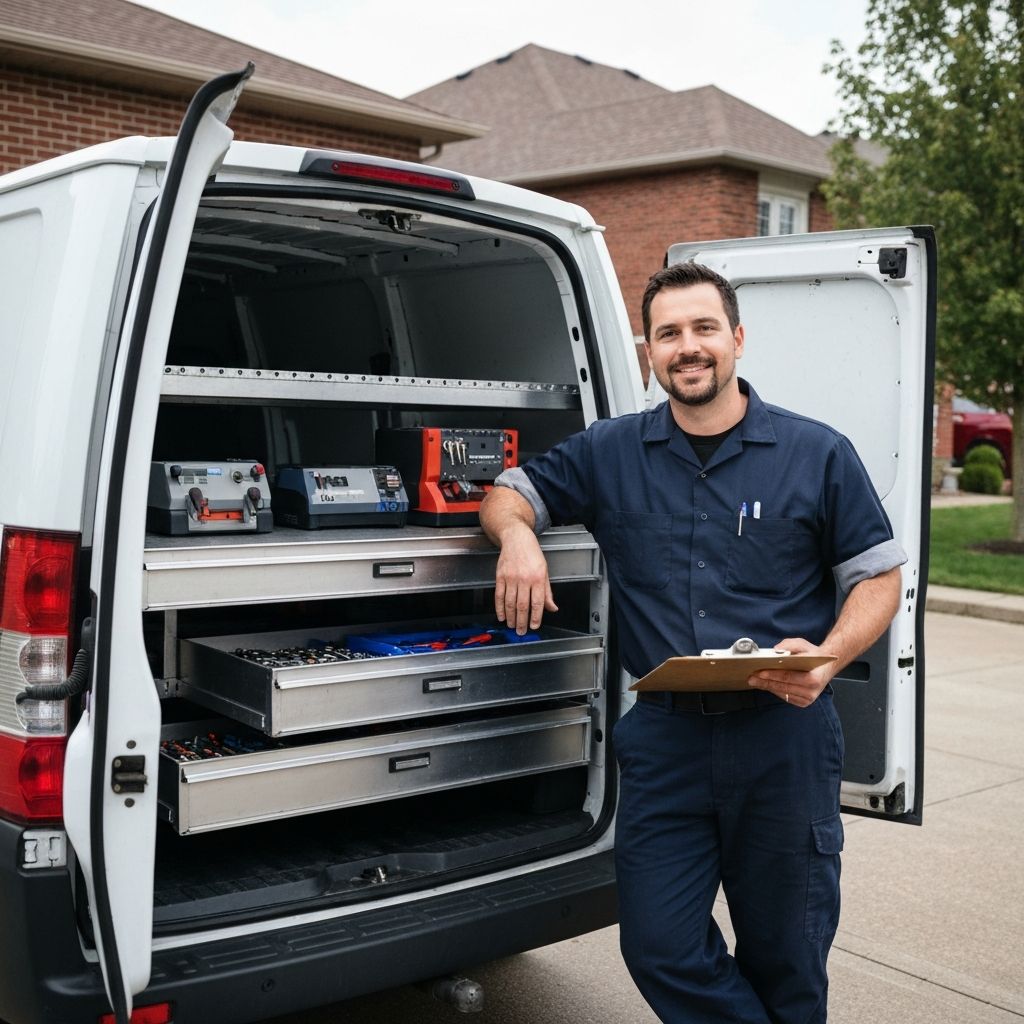
Mobile help for car keys is not just about convenience. It is about getting back on the road without the added stress of towing and dealership schedules. The locksmith arrives, does the job, and you drive away. The entire event, from call to completion, can take an hour or two depending on the complexity. That is a far better outcome than waiting days for a dealer appointment.
The technology behind the transponder chip and immobilizer system is reliable, but it is not immune to wear, battery failure, or accidental loss. Knowing what happens during a mobile replacement takes the mystery out of the process. You know what to expect, what information to have ready, and why the cost and time vary. And you know that a good mobile locksmith can handle most situations without needing to move the car at all.
Ends · MYTHEKEYNOTEBOOK